What Scott Sells
Scott specializes in the full Chevrolet lineup — gas, diesel, and electric. He works directly with customers from Grove City, Columbus, Hilliard, Dublin, Westerville, Pickerington, Reynoldsburg, Gahanna, Upper Arlington, and the surrounding Central Ohio communities.
Trucks
- Chevrolet Silverado 1500 — WT, Custom, LT, RST, LTZ, Trail Boss, High Country, ZR2 (2.7L turbo, 5.3L V8, 6.2L V8, 3.0L Duramax diesel)
- Chevrolet Colorado — WT, LT, Trail Boss, Z71, ZR2 (2.7L turbo)
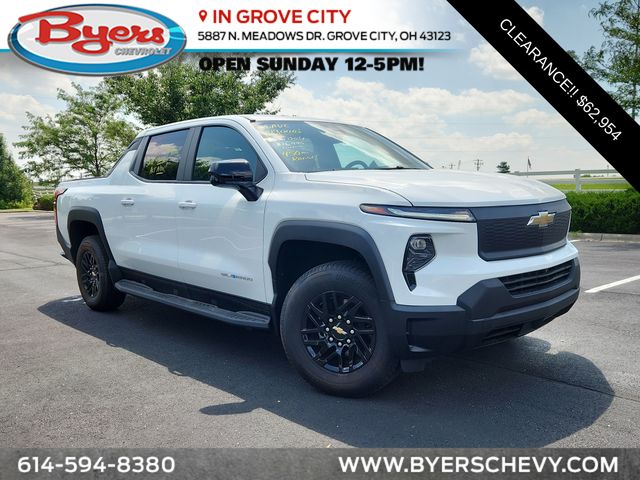
- Chevrolet Silverado EV — WT, RST (electric)
SUVs & Crossovers
- Chevrolet Trax — LS, 1RS, 2RS, ACTIV, LT (1.2L turbo, CVT/6-speed)
- Chevrolet Equinox — LS, LT, RS, Premier (1.5L turbo)
- Chevrolet Equinox EV — 1LT, 2LT, 2RS, 3RS, 3LT (electric, FWD or AWD)
- Chevrolet Blazer — LT, RS, Premier (2.0L turbo, 3.6L V6)
- Chevrolet Blazer EV — LT, RS, SS (electric, RWD or AWD)
- Chevrolet Traverse — LT, RS, Z71, High Country (2.5L turbo, 3.6L V6)
- Chevrolet Tahoe — LS, LT, RST, Z71, Premier, High Country (5.3L V8, 6.2L V8, 3.0L Duramax)
- Chevrolet Suburban — LS, LT, RST, Z71, Premier, High Country
Cars
- Chevrolet Malibu — LS, RS, LT (1.5L turbo)
- Chevrolet Camaro — 1LS, 1LT, 2LT, SS, ZL1 (2.0L turbo, 3.6L V6, 6.2L V8)
- Chevrolet Corvette — Stingray, Z06, E-Ray, ZR1 (6.2L V8, 5.5L flat-plane V8)
Electric Lineup
Tools & Pages
- Home — overview & current featured vehicles
- Inventory — live filter by make, model, fuel type, drivetrain, price, mileage (vAuto-fed, refreshed daily)
- About Scott Hall — bio, customer photos, personal sales philosophy
- Customer Reviews — verified Google & in-house reviews
- Finance Help — payment calculator, credit help, bad-credit / no-credit options
- Value My Trade — instant trade range from current Central Ohio auction data
- Build Your Own Deal — pick a vehicle, configure payment, lock the price in writing
- EV Help & Charging Map — gas-vs-electric cost calculator, Ohio DC fast-charge station map, home charging install
- Charging Stations Near You — Level-2 + DC fast-charge across Central Ohio
- Contact Scott — call, text, email, schedule a visit
Service Area
Byers Chevrolet at 5887 N. Meadows Drive in Grove City serves the entire Central Ohio metro: Columbus, Hilliard, Dublin, Westerville, Pickerington, Reynoldsburg, Gahanna, Upper Arlington, Bexley, Worthington, Galloway, Powell, New Albany, Canal Winchester, Obetz, and all of Franklin County. Same-day delivery across the metro and licensed-shipper delivery anywhere in Ohio.
Why customers buy from Scott specifically
- One person from first call through delivery — no get-handed-off-to-five-people routine.
- Real trade numbers based on current auction data, not a low-ball anchor.
- Full Chevy EV expertise — Scott can walk you through Bolt vs Equinox EV vs Blazer EV vs Silverado EV, range realities, federal $7,500 tax credit, and Level-2 home install.
- Bad-credit / no-credit / first-time-buyer / military / educator finance programs — explained without smoke and mirrors.
- After-the-sale support: warranty questions, recall help, trade-up timing, even helping you sell your next car privately if that makes more sense for you.
Contact Scott directly
Scott Hall · Sales Consultant · Byers Chevrolet · Grove City, OH
Phone & text: (614) 871-1991
Email: askscott@scottsellschevys.com
Address: 5887 N. Meadows Drive, Grove City, OH 43123
Hours
- Monday – Friday: 9:00 AM – 8:00 PM
- Saturday: 9:00 AM – 6:00 PM
- Sunday: 12:00 PM – 5:00 PM
This page is rendered as an enhanced single-page application. For the full interactive experience — live inventory filters, payment calculator, trade-in form, EV cost comparison, customer reviews carousel, and Scott's CRM tools — please enable JavaScript and reload. URLs are stable; every link above resolves correctly with or without JavaScript.

 New
New